How should pharmacists prepare for interviews?
Pharmacists should prepare examples that show medication-safety judgment, patient counseling, teamwork, ethical decision-making, workflow management, communication, and role-specific experience. Strong answers usually connect the situation, action, outcome, and what the pharmacist learned or would do differently.
Key facts
Use these facts as a quick orientation before reading the full guide. Exact requirements vary by school, pathway, and state.
| Best framework | Use specific examples rather than generic claims |
|---|---|
| Common themes | Patient safety, teamwork, conflict, accuracy, ethics, workflow, and communication |
| Role-specific prep | Community, hospital, clinical, industry, managed care, and residency interviews differ |
| Best next step | Prepare 6–8 stories you can adapt to multiple questions |
Main points
Pharmacist interviews are usually less about memorizing perfect answers and more about proving how you think. Employers want to know how you protect patients, communicate under pressure, solve problems, and fit the practice setting.
Review the job description
Identify the role's main responsibilities, patient population, schedule, workflow, technology, and required skills. Then prepare examples that map to those expectations.
Prepare core stories
Build a set of examples involving patient safety, a difficult conversation, teamwork, error prevention, prioritization, leadership, and learning from feedback.
Use a clear answer structure
For behavioral questions, explain the situation, the action you took, the result, and what you learned. Keep answers specific and concise.
Practice role-specific questions
A community pharmacy interview may focus on patient volume and counseling. A hospital or clinical interview may focus more on cases, rounding, labs, and interprofessional care.
Prepare thoughtful questions
Ask about training, staffing, workflow, patient population, preceptor support, quality metrics, growth opportunities, and how success is measured.
Common pharmacist interview questions
Most pharmacist interviews include a mix of behavioral, clinical, ethical, workflow, and culture-fit questions. Prepare adaptable examples instead of trying to memorize scripts.
- • Tell me about a time you caught or prevented a medication error.
- • How do you handle an upset patient or caregiver?
- • Describe a time you had to prioritize competing tasks.
- • How do you communicate with prescribers or other clinicians?
- • Why are you interested in this practice setting?
How to answer pharmacist interview questions
The best answers are grounded in real experience. Even if the example comes from pharmacy school, an internship, technician work, APPE rotations, research, or another job, make the patient-safety and professional judgment clear.
- • Use concise examples with a clear outcome
- • Explain your decision-making, not just what happened
- • Avoid blaming patients, coworkers, or previous employers
- • Show how you learn from feedback
- • Connect your answer back to the role
Interview focus by pharmacist role
Tailor your preparation to the setting.
| Option | What it means | What to verify |
|---|---|---|
| Community pharmacist | Workflow, counseling, patient service, immunizations, access, and team leadership | Examples involving volume, accuracy, difficult conversations, and adherence |
| Hospital pharmacist | Medication safety, order verification, interprofessional teamwork, and high-risk medications | Examples involving labs, transitions of care, sterile compounding, or urgent decisions |
| Clinical pharmacist | Therapeutic reasoning, patient follow-up, documentation, and collaborative care | Examples involving case analysis, therapy recommendations, and outcomes monitoring |
| Industry or research | Communication, evidence, documentation, compliance, and cross-functional work | Examples involving projects, writing, data, protocols, or stakeholder communication |
Pharmacist interview preparation checklist
FAQs
What questions are asked in pharmacist interviews?
Common questions cover patient safety, medication errors, teamwork, conflict, workflow, communication, clinical reasoning, ethics, and why the candidate wants the role.
How do you answer a pharmacist behavioral interview question?
Use a specific example. Briefly explain the situation, what you did, the result, and what you learned. Avoid vague answers that do not show judgment or ownership.
Should new graduates use pharmacy school examples?
Yes. New graduates can use examples from APPE rotations, internships, technician work, student organizations, research, volunteering, or classroom projects when they show relevant professional skills.
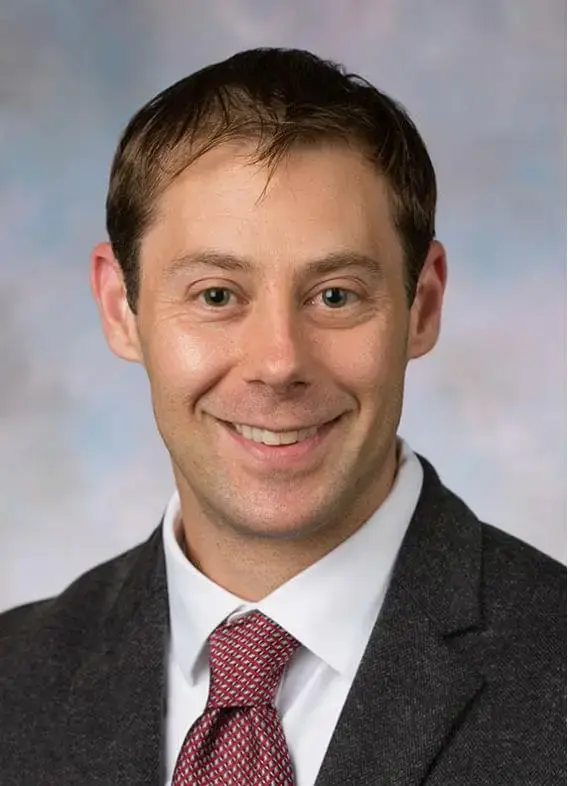
Jim Herbst, PharmD, BCPPS
Jim Herbst is an advanced patient care pharmacist at a nationally ranked pediatric acute care teaching hospital. He earned his Doctor of Pharmacy degree from The Ohio State University in 2012 and is board certified as a pediatric pharmacy specialist.
Opinions and information published by this author do not necessarily represent the views or opinions of his employer.
View author profile →